to top

Top Children's Illustration Styles to Boost Storytelling

The six most common children's book illustration styles are cartoon, realistic, whimsical, watercolor, anime, and comic. Each works best for different age groups, story types, and moods. Cartoon is the most popular for picture books aimed at ages 2–6. Realistic suits nonfiction and chapter books for ages 7–12. Watercolor and whimsical work well for bedtime stories and fairy tales. Below, we break down what makes each style distinct, show real examples, and walk through how to pick the right one for your project.

Why Illustration Style Shapes How Children Read

Six children's book illustration styles compared side by side — cartoon, realistic, whimsical, watercolor, anime, and comic

A child's first reaction to a book is visual. Before they read a single word, the illustrations tell them whether this book is funny, serious, scary, or safe. Research shows that children as young as three form preferences for specific visual styles, and those preferences influence how long they stay engaged with a story.

Different styles signal different things. Bold outlines and exaggerated features say "this is playful." Soft gradients and muted palettes say "slow down, this is gentle." Accurate proportions and detailed textures say "this is real." That's why the style you choose isn't just an aesthetic decision — it's a storytelling tool. As Mo Willems put it: "A good picture book is one where the illustrations tell the story, not just decorate it."

Understanding how each style works helps authors match the art to their story's tone, target age group, and emotional arc.

Cartoon: Bold, Playful, and Instantly Recognizable

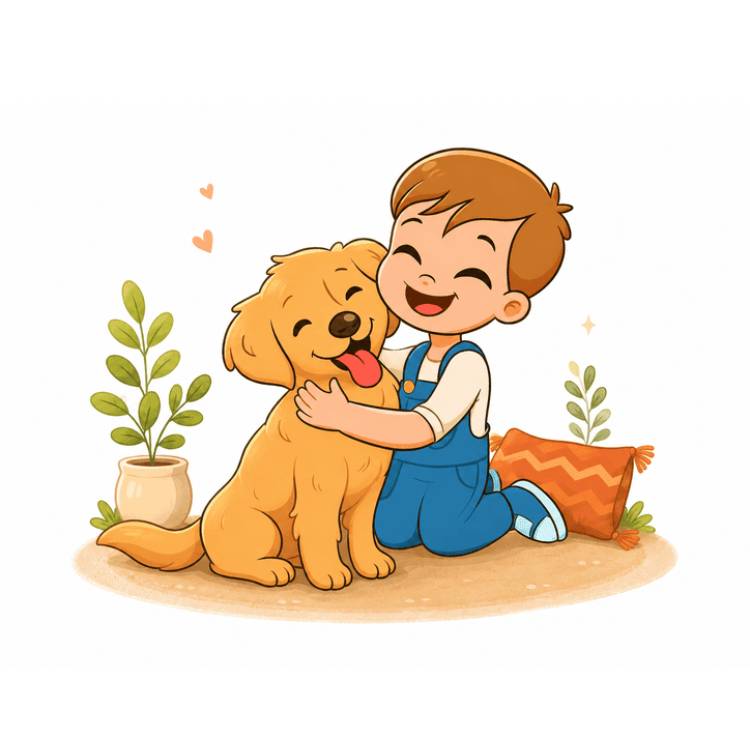
Cartoon is the default style for picture books — and for good reason. Oversized heads, wide eyes, and exaggerated expressions make characters immediately readable to young children. The simplified anatomy removes visual noise and lets kids focus on emotion and action.

This style dominates books for ages 2–6. Think Eric Carle's textured collage work in The Very Hungry Caterpillar, or Mo Willems' Elephant & Piggie series. Both use stripped-down character design to carry complex emotional beats — friendship, loss, growth — without overwhelming the reader.

Cartoon works best for: adventure stories, humor, friendship themes, and concept books (colors, numbers, shapes). If your book needs to feel energetic and approachable, this is your starting point. Our picture book illustration team works in this style frequently.

Realistic: Detailed, Grounded, and Educational

Realistic children's book illustration showing lifelike proportions and detailed textures

Realistic illustration aims for accurate proportions, natural lighting, and true-to-life textures. It's less common in picture books for toddlers but shows up regularly in chapter books, nonfiction, and middle-grade novels.

This style works by building credibility. When a child sees a forest scene with individually rendered leaves, accurate animal anatomy, and realistic shadows, the book feels trustworthy. Patricia Polacco's work demonstrates this well — her illustrations ground emotional stories in recognizable, everyday settings that help children connect personally with the characters.

Realistic illustration is ideal for: historical stories, science and nature books, cultural narratives, and any story where authenticity matters. The tradeoff is production time — realistic art typically takes 2–3x longer per illustration than cartoon, which affects both pricing and timelines.

Whimsical: Dreamlike Worlds and Quirky Characters

Whimsical illustration sits between cartoon and surreal art. Characters have unusual proportions — elongated limbs, tiny bodies with oversized heads — and scenes feature impossible architecture, floating objects, or landscapes that bend the rules of physics.

What separates whimsical from cartoon is atmosphere. Cartoon aims for clarity and humor. Whimsical aims for wonder and curiosity. The color palettes tend to be warmer, the compositions more layered, and there's usually something unexpected hiding in every spread.

This style is perfect for fairy tales, bedtime stories, and fantasy adventures. It invites children to look closely, find hidden details, and let their imagination fill in the gaps. Books like "Where the Wild Things Are" use whimsical elements to create a sense of scale and magic that a clean cartoon style can't achieve.

If your story involves magical creatures, enchanted settings, or dreamlike sequences, whimsical illustration will serve it well. Our character design process often starts here when authors want something distinctive.

Watercolor: Soft, Textured, and Timeless

Watercolor illustration example showing soft brushstrokes and gentle color transitions for a children's book

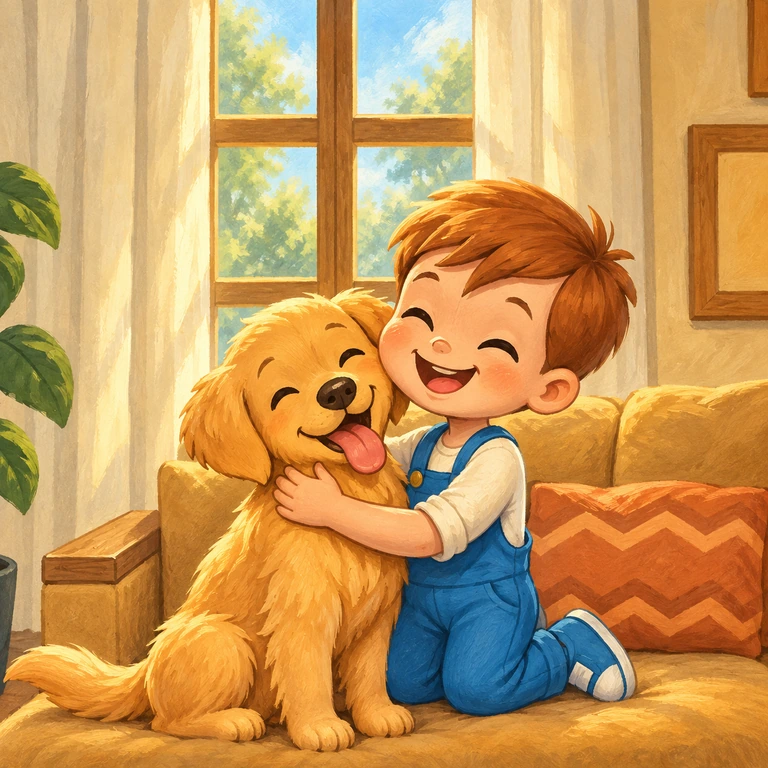
Watercolor has a feel that digital tools still struggle to replicate. The paint bleeds, the edges are imperfect, and colors pool and blend in ways that feel organic. That quality makes watercolor illustrations feel handmade — which gives them emotional warmth that resonates with both children and parents.

Eric Carle's tissue-paper collage technique is often associated with watercolor for its painterly texture. Traditional watercolorists like Jerry Pinkney built entire careers around this medium, creating richly layered illustrations that reward close reading.

Watercolor suits nature stories, gentle emotional narratives, and seasonal themes. It's particularly effective for stories about growth and change, because the medium itself feels alive — colors shift and blend the way emotions do. The challenge is that pure watercolor is harder to revise than digital work, so many illustrators now use digital watercolor brushes that mimic the effect while keeping the flexibility of digital editing.

Anime-Inspired: Expressive Eyes and Dynamic Energy

Anime-influenced illustration has grown steadily in children's books, driven by the global popularity of Japanese animation. The hallmarks are large, expressive eyes, dramatic hair, and dynamic poses that convey motion even in a still image.

This style connects immediately with children who watch animated shows, because the visual language is familiar. Characters feel more emotionally transparent — happiness, surprise, anger, and sadness are all amplified through exaggerated facial expressions. Shinsuke Yoshitake's books blend this expressive approach with humor, creating characters children recognize and root for.

Anime works well for: action-adventure stories, fantasy quests, and books targeting ages 6–12 who are already consuming animated content. It's also a strong choice for graphic novel formats where sequential storytelling benefits from the dynamic compositions anime is known for.

Comic: Panel-Based Storytelling with Built-In Pacing

Comic illustration uses panels, speech bubbles, and sequential layouts to control how readers experience the story. Unlike traditional picture books where one spread equals one scene, comics can show multiple moments on a single page — action, reaction, pause, punchline.

This built-in pacing makes comics especially effective for reluctant readers. The visual structure gives them more entry points into the text, and the shorter text blocks feel less intimidating. David Wiesner, who said "Illustration is not just about making things look pretty; it's about telling a story," demonstrates this principle — his wordless books use pure sequential art to build complete narratives.

Comic style works for: adventure series, humor, superhero stories, and educational content that benefits from step-by-step visual sequences. The graphic novel format for kids (ages 6–10) has exploded in popularity, with series like Dog Man and Wings of Fire proving that panel-based storytelling hooks young readers.

How to Choose the Right Style for Your Book

Start with three questions:

1. Who is your reader? Age is the single biggest factor. Children under 5 need simplified visuals (cartoon, whimsical). Children 6–9 can handle more complexity (watercolor, anime, comic). Children 10+ respond to realistic and detailed styles. See our guide on choosing the right illustration style for a deeper breakdown.

2. What is your story's tone? Funny and fast-paced → cartoon or comic. Gentle and emotional → watercolor or whimsical. Grounded and educational → realistic. Action-packed and fantastical → anime or comic.

3. What's your budget and timeline? Cartoon and comic are generally faster to produce. Realistic and detailed watercolor take longer. This directly affects your illustration costs. A 32-page cartoon picture book might cost $2,400–$5,000, while the same book in realistic style could run $5,000–$12,000.

Don't choose a style just because you like how it looks. Choose it because it serves your story and your reader.

Working with Your Illustrator

Once you've identified a style direction, the collaboration process matters as much as the art itself. Here's what works:

Share visual references, not just words. Collect 5–10 examples of illustration styles you like. Pinterest boards, book covers, even screenshots from animated shows. This gives your illustrator a concrete starting point instead of interpreting vague descriptions.

Start with character sketches. Before committing to full illustrations, get rough character concepts. This is where you align on proportions, expressions, and personality — and it's much cheaper to revise at this stage than after finished spreads.

Give clear feedback, then trust the process. Be specific about what's working and what isn't ("the eyes feel too serious for this scene" is better than "I don't like it"). Then give your illustrator room to solve the visual problems. The best results come from authors who know their story and illustrators who know their craft, each respecting the other's expertise.

At US Illustrations, every project starts with a free trial sketch so you can see the style in action before committing. That eliminates the biggest risk in the process — investing in something you haven't seen yet.

Request your Free illustration Now!

We'll send your fully colored illustration within 24 hours!

Request A Free illustration

The Bottom Line

Each illustration style is a different lens on the same goal: making a story land with a child. Cartoon is accessible and fast. Realistic is grounded and detailed. Whimsical sparks wonder. Watercolor feels timeless. Anime brings energy. Comic controls pacing. There's no universally "best" style — only the style that fits your specific story, reader, and budget. Start by defining those three things, find an illustrator who specializes in that style, and build from there.

FAQ

Why do authors need to choose the right children's illustration style for their book?

Because the illustration style sets the emotional tone before a child reads a single word. A mismatch between style and story (like using cartoon art for a serious historical narrative) creates confusion and disengagement. The right style reinforces your story's mood, suits your target age group, and keeps children turning pages.

How do cartoon style illustrations help younger readers?

Cartoon illustrations use simplified shapes, bold outlines, and exaggerated expressions to make characters and actions instantly readable. For children ages 2–5 who are still developing visual literacy, this clarity is essential. The reduced detail also lets kids focus on the story's emotional beats rather than getting lost in visual complexity.

What are the key features of realistic illustrations and why will they appeal to older children?

Realistic illustrations feature accurate proportions, natural lighting, detailed textures, and true-to-life color palettes. Older children (ages 8–12) appreciate this because they're beginning to compare book worlds to their own experience. Realistic art builds credibility and supports stories that deal with real-world themes like history, science, and personal challenges.

What are the benefits of author-illustrator collaborations in children's books?

Strong collaboration ensures the visuals amplify the text rather than just decorating it. When an author shares visual references, gives specific feedback, and trusts the illustrator's expertise, the result is a cohesive book where art and story work together. This also reduces costly revisions and speeds up the production timeline.

How does US Illustrations help authors find illustrators for their book themes and styles?

US Illustrations matches authors with illustrators who specialize in the specific style their book needs — from cartoon to realistic to watercolor. Every project begins with a free trial sketch, so authors see the style applied to their own characters before committing. Flat-fee pricing from $120 per illustration means no surprises on cost.

References

GraphicMama. (n.d.). Children's Book Illustration Styles - 6 Most Popular Approaches. Retrieved from this source

MAP Systems. (n.d.). Children's Book Illustration Styles. Retrieved from this source

Reddit. (2022). What are some good books with a simple cartoon style?. Retrieved from this source

Prayan Animation. (2022). 7 Best Children's Book Illustration Styles in 2022. Retrieved from this source

Linearity. (n.d.). Children's Book Illustrations - Creating Visual Stories for Kids. Retrieved from this source

Kindlepreneur. (n.d.). Children's Book Illustration Styles - The Ultimate Guide. Retrieved from this source

John Taylor
February 10, 2026