
A children's book cover needs to do two things simultaneously: appeal to the adult who's buying and excite the child who's reading. The covers that sell best accomplish this through specific design strategies — not luck. Here are eight proven cover design approaches with examples of why they work, who they work best for, and how to execute them effectively for your project.
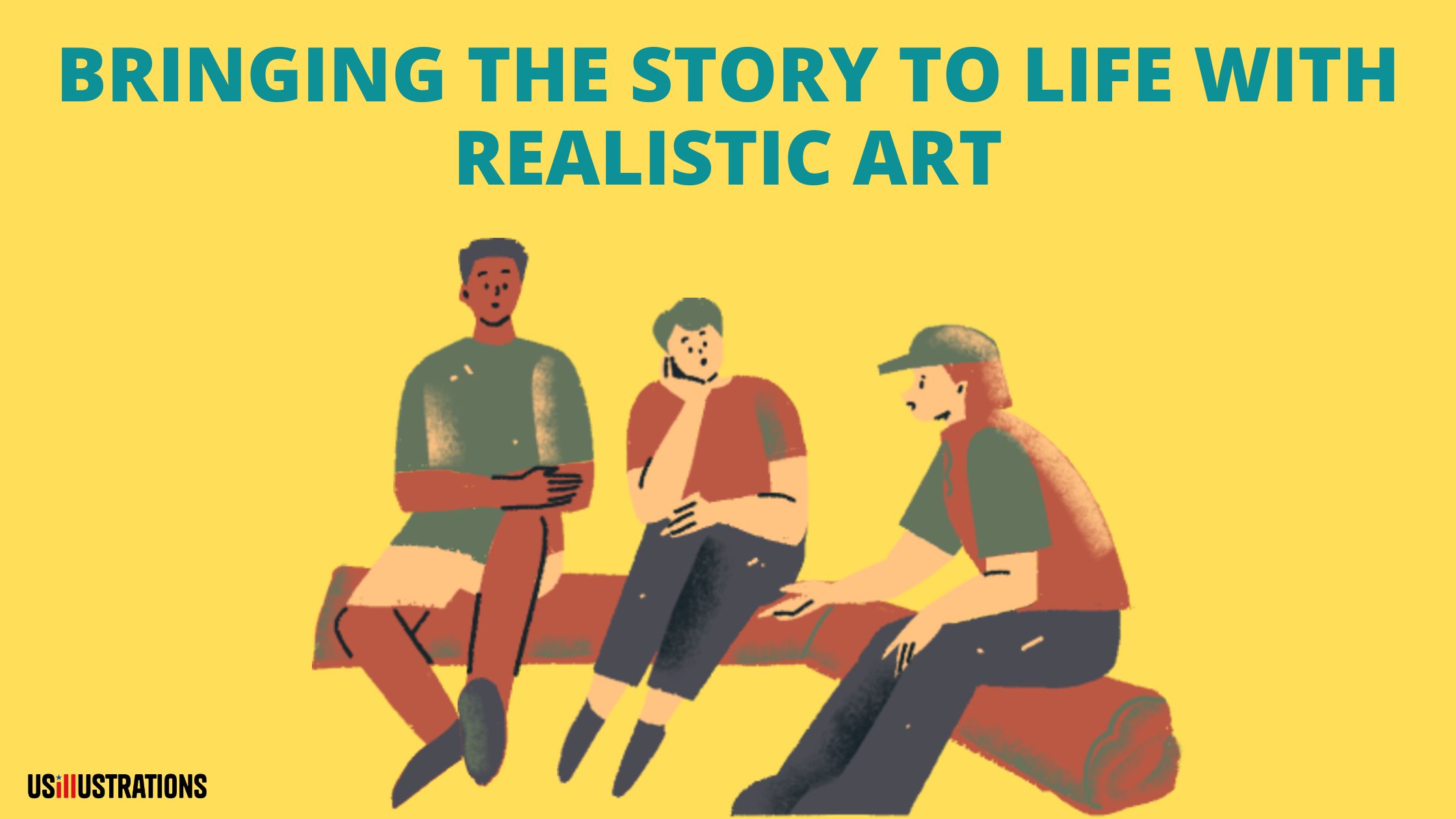
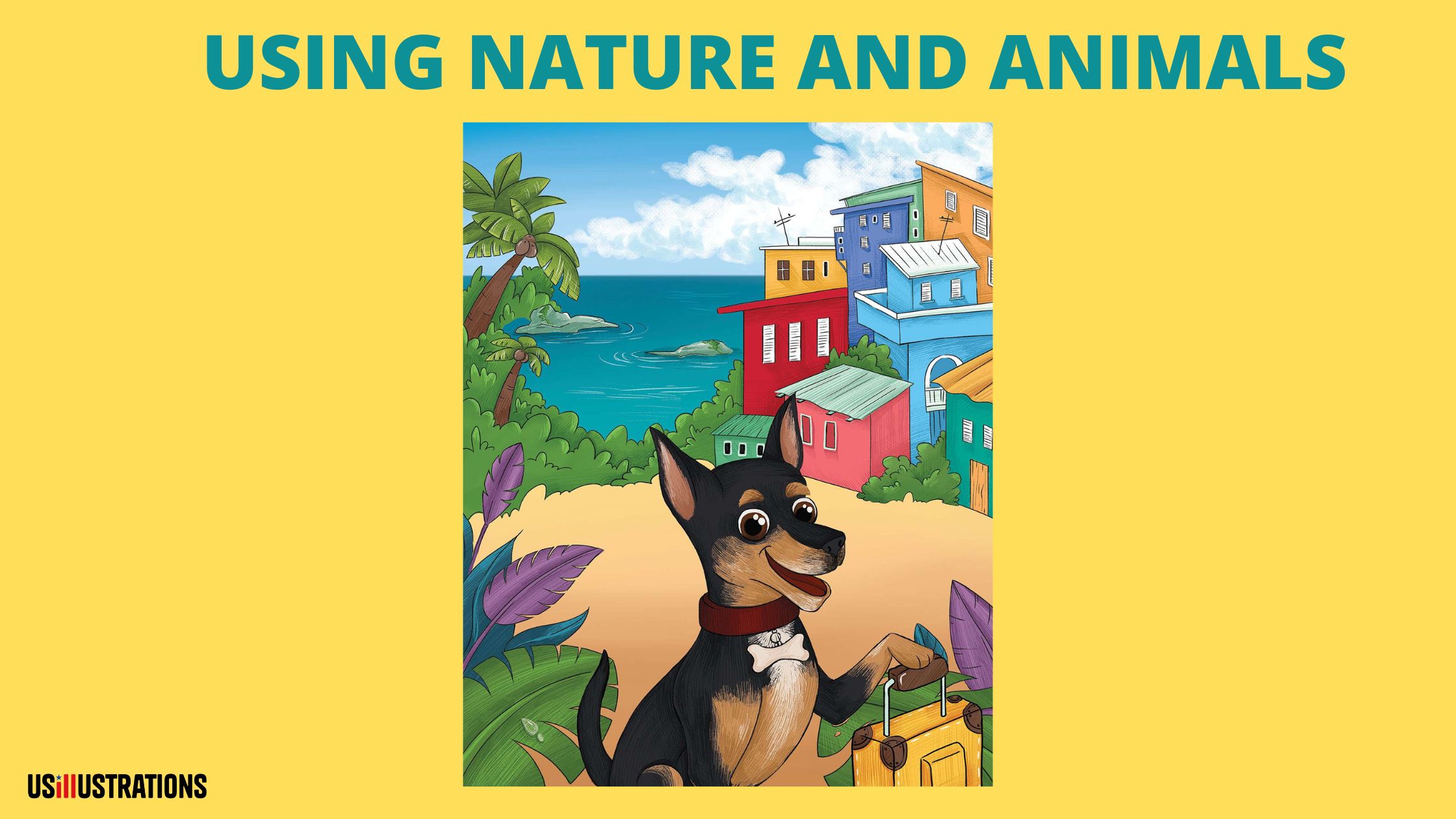
Fill 60–80% of the cover with a single character's face, making direct eye contact with the viewer. The character should show a clear emotion — curiosity, excitement, mischief, or wonder.
Why it works: Eye contact creates instant connection. Children are drawn to faces — it's hardwired. A close-up face at thumbnail size is still readable, which gives this approach a massive advantage in online sales where covers display at tiny sizes.
Best for: Character-driven stories, board books, early picture books (ages 0–4).
Execution tips: The character's expression must be immediately readable. Avoid neutral faces — push the emotion. Leave space for the title above or below the face. The character design needs to be strong enough to carry the cover alone.


Show the main character in the middle of a dynamic action — running, jumping, flying, reaching for something, or being chased. The composition should convey movement and energy.
Why it works: Action implies story. A character doing something exciting makes the viewer want to know what happens next. It creates immediate narrative curiosity — the fundamental hook that makes someone open the book.
Best for: Adventure stories, humorous books, ages 3–8.
Execution tips: Use diagonal composition lines to enhance the sense of movement. The character should face toward the right (the direction of reading and page-turning). Leave some visual question unanswered — what are they running toward? What's chasing them? The unanswered question drives the viewer to open the book.
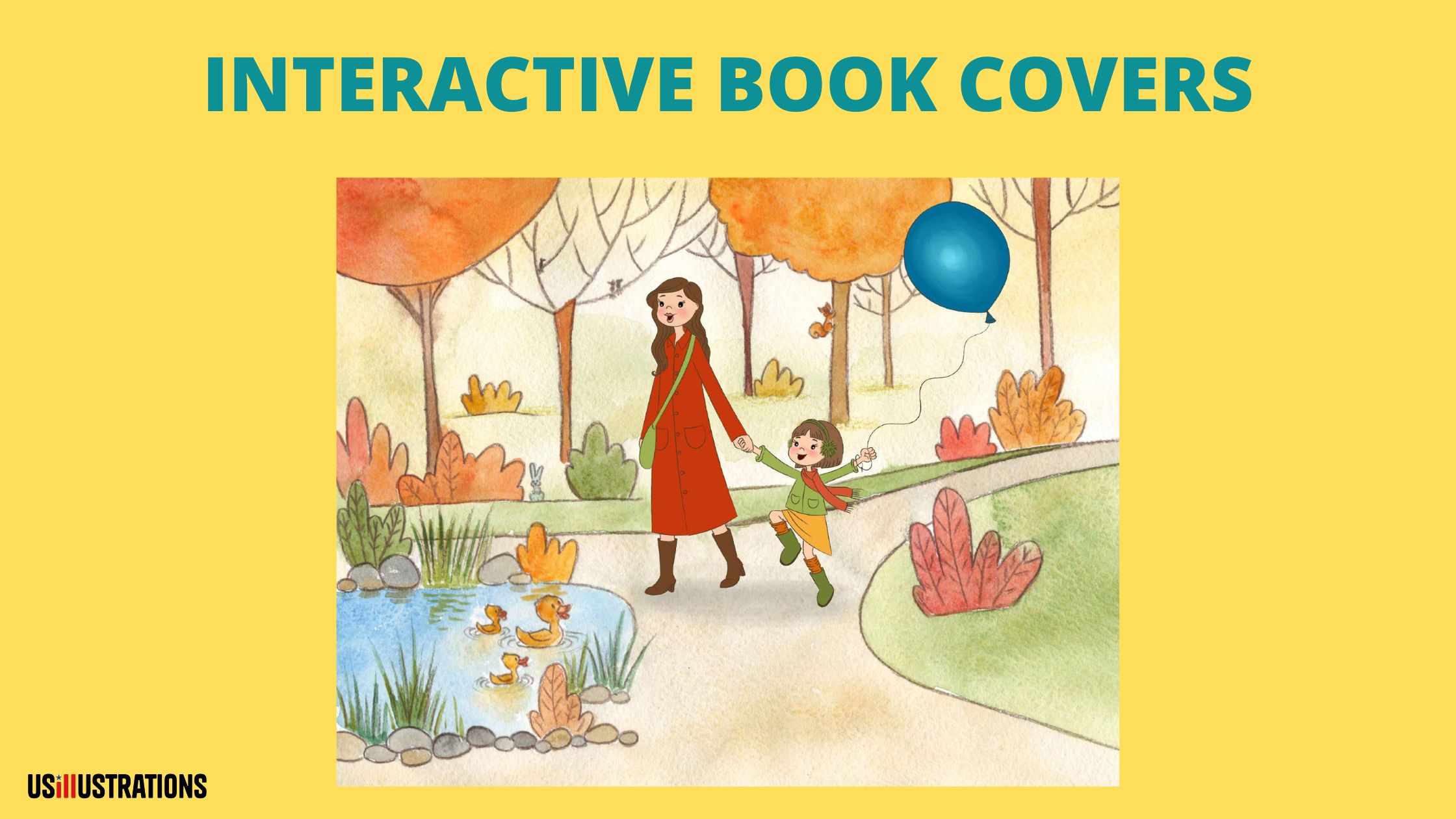
Show a character approaching, entering, or peering through a doorway, gateway, or opening that reveals a different world — the mundane on one side, the fantastical on the other.
Why it works: The portal composition creates visual depth and narrative intrigue simultaneously. It divides the cover into two contrasting worlds, which is inherently interesting. And it taps into one of the most fundamental story structures in children's literature — the journey from the ordinary into the extraordinary.
Best for: Fantasy, adventure, and imaginative stories, ages 4–10.
Execution tips: Strong contrast between the two worlds — muted colors on the "real" side, vivid colors on the "magical" side. The character should be positioned at the threshold, not fully in either world, creating a moment of anticipation.
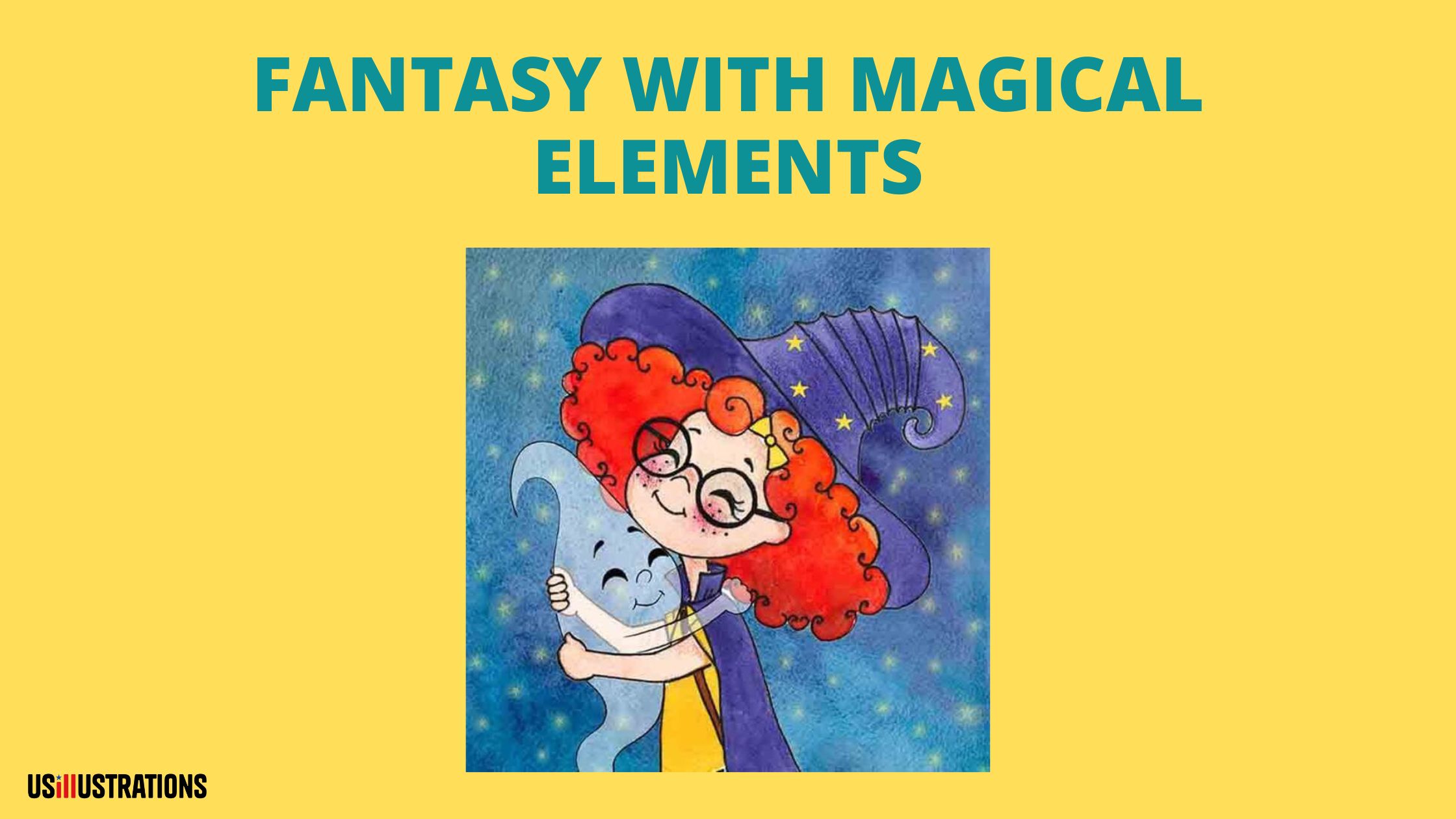
Arrange the main cast of characters together, each showing their distinct personality through pose and expression. Think movie poster composition — characters arranged in a dynamic hierarchy with the protagonist most prominent.
Why it works: It immediately communicates the social dynamics and cast of the book. Children are drawn to groups of characters because groups imply relationships, conflict, and comedy — all things that make stories interesting.
Best for: Ensemble stories, friendship themes, school settings, ages 4–10.
Execution tips: Vary the characters' sizes, poses, and positions to create visual interest. Avoid lining everyone up in a row at the same height — that's a class photo, not a cover. The protagonist should be largest or most centrally positioned. Each supporting character should have at least one distinguishing visual feature visible even at thumbnail size.
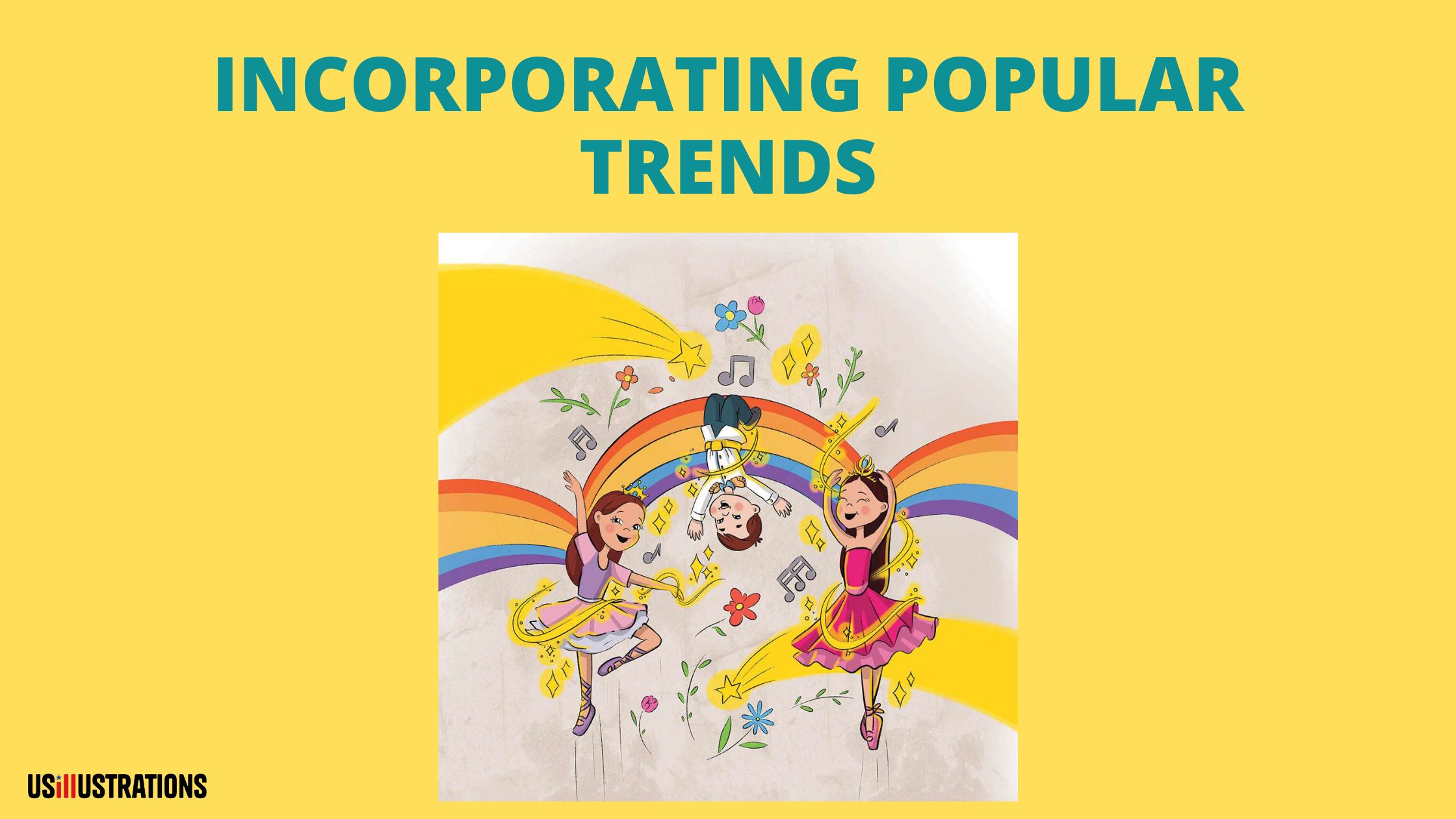
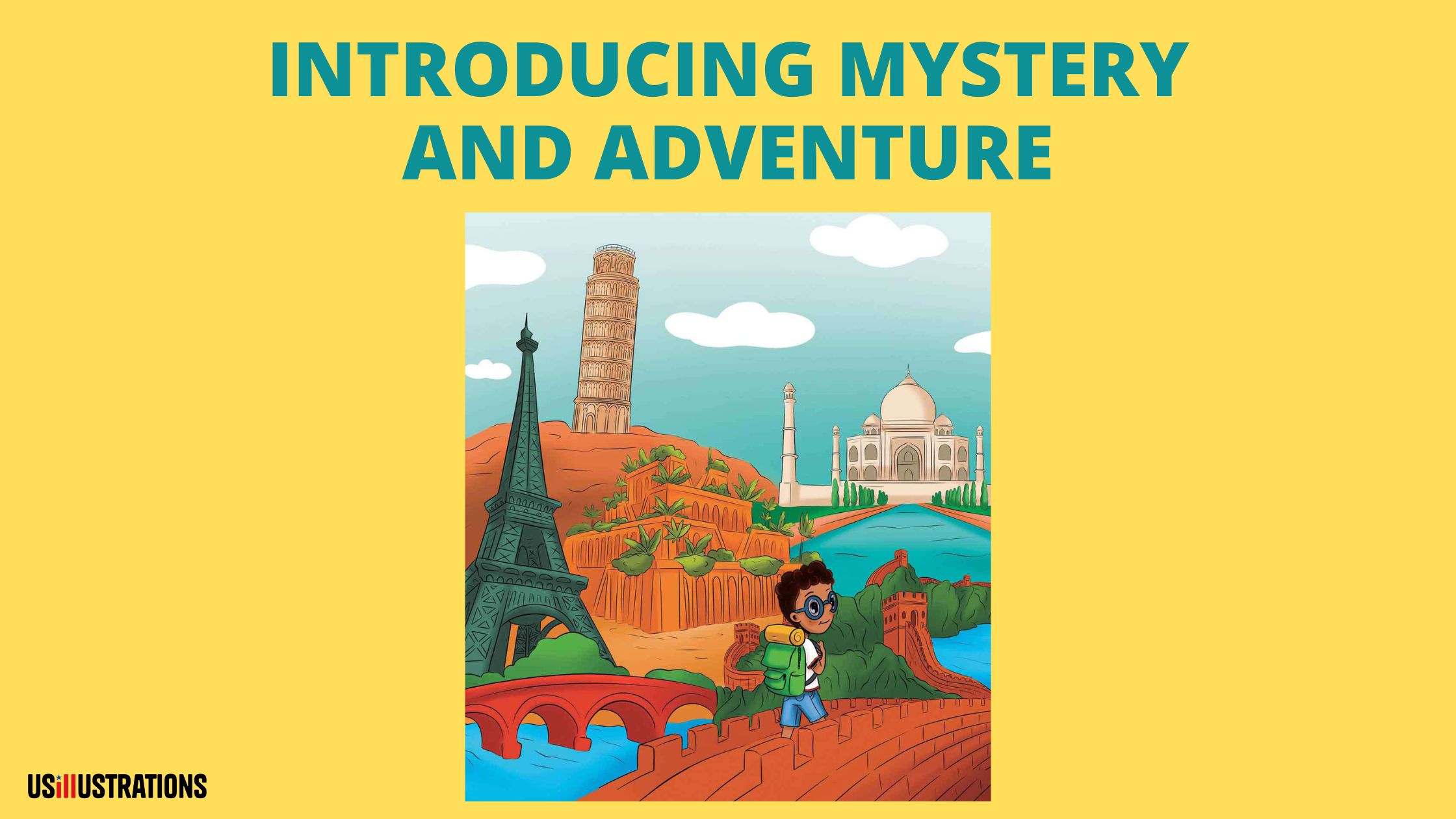
Show a vast, detailed environment — a cityscape, a forest, an underwater world — with the character(s) small within it. The setting itself is the visual star of the cover.
Why it works: It creates a sense of wonder and scale. The contrast between a small character and a large world communicates adventure, exploration, and discovery. It also invites the viewer to explore the image for details — the same engagement behavior you want inside the book.
Best for: World-building stories, adventure, nature themes, ages 5–10.
Execution tips: The environment must be genuinely impressive in detail and imagination. The character, though small, should still be findable — use color contrast to make them pop against the background. This approach requires strong illustration skills because the environment complexity is high.
Center the cover on a single significant object from the story — a magical item, a key prop, or a symbolic element — rendered in beautiful detail against a simple background.
Why it works: Mystery and intrigue. What is this object? Why does it matter? The viewer's curiosity about the object pulls them into the story. It also works extremely well as a series design — same format, different objects for each book.
Best for: Mystery, fantasy with magical objects, educational books, ages 6–12.
Execution tips: The object must be rendered with exceptional quality — it's carrying the entire cover. Add subtle environmental hints around the object (shadows, light effects, partial background elements) to suggest context without cluttering the composition.
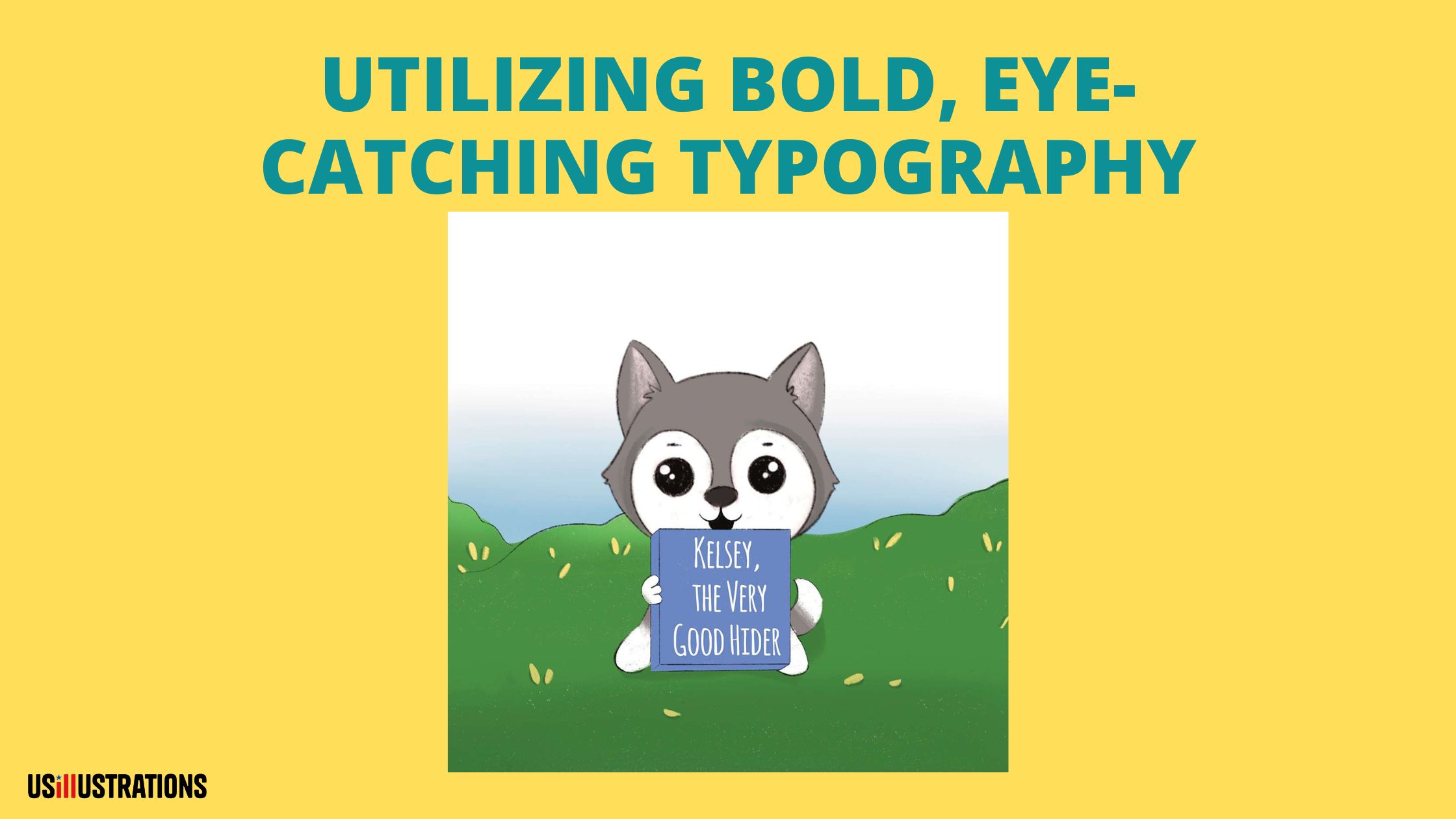
Make the title itself the primary visual element, with custom hand-lettering that reflects the story's tone and theme. Illustrations are minimal — woven into or around the letters rather than as separate elements.
Why it works: Maximum title readability at any size. The typography communicates genre and tone instantly — playful hand-lettering for comedy, elegant script for gentle stories, bold block letters for adventure. It's also distinctive on shelves where illustration-heavy covers dominate.
Best for: Chapter books, early readers, humorous stories, ages 5–10.
Execution tips: The lettering must be custom, not a standard font. Standard fonts look cheap and generic. Custom lettering should feel like part of the art, not text placed on an image. Integrate small illustrative elements into the letterforms — characters peeking from behind letters, objects replacing letter strokes.
Divide the cover into two halves showing a contrast — before/after, day/night, ordinary/magical, happy/sad. The character appears in both halves, visibly changed by whatever the story does to them.
Why it works: It communicates transformation, which is the fundamental structure of virtually every children's story. The visual contrast creates intrigue — the viewer wants to know how the character gets from one state to the other.
Best for: Transformation stories, growth themes, emotional journeys, ages 3–8.
Execution tips: The contrast between the two halves should be stark and immediately visible — different color palettes, different environments, different character states. A subtle divide doesn't create the impact. This approach works best when the transformation is the central hook of the story.
For professional execution of any of these cover concepts, US Illustrations offers dedicated cover design as part of the full illustration package. Start with a free trial sketch to see how your cover concept comes to life. Pricing from $120 per illustration.
We'll send your fully colored illustration within 24 hours!
%20(1).png)
These eight cover concepts are proven frameworks, not rigid formulas. The best cover for your book depends on the story's core hook, the target age group, and where the book will primarily sell (physical shelf vs. online thumbnail). Choose the concept that best serves your story's unique strength, then execute it at the highest professional quality you can afford. The cover sells the book before anyone reads a word.
Character close-ups and action scenes have the highest conversion rates for online sales because they're immediately readable at thumbnail size. But the 'best' style depends on your story, target age, and genre. A nature exploration book works better with an environmental wide shot. A mystery works better with an object-centric approach. Match the cover concept to the story.
Not necessarily. The cover should capture the spirit and tone of the book, but it doesn't need to depict a specific scene from the text. Many successful covers show the character in a mood or setting that represents the overall experience of the book rather than a particular moment.
A professional cover illustration ranges from $300 to $2,000 depending on complexity. When bundled with interior illustrations from the same artist, the cover is often included in the package price at a reduced rate. Getting the cover and interior from the same illustrator ensures style consistency.
Unless you have professional illustration and design skills, no. The cover is the single most important sales tool for your book. Amateur covers are the #1 reason self-published children's books underperform. Invest in professional cover design even if you cut costs elsewhere.
Kidd, C. (2015). Judge This. TED Books.
Salisbury, M. (2004). Illustrating Children's Books. Barron's Educational Series.
Lupton, E. (2010). Thinking with Type. Princeton Architectural Press.

